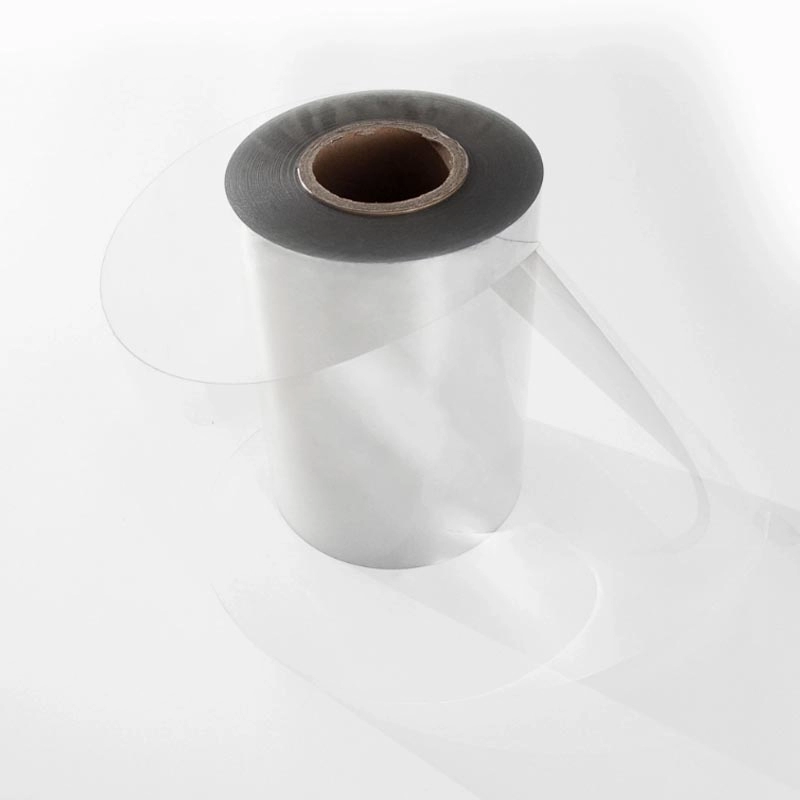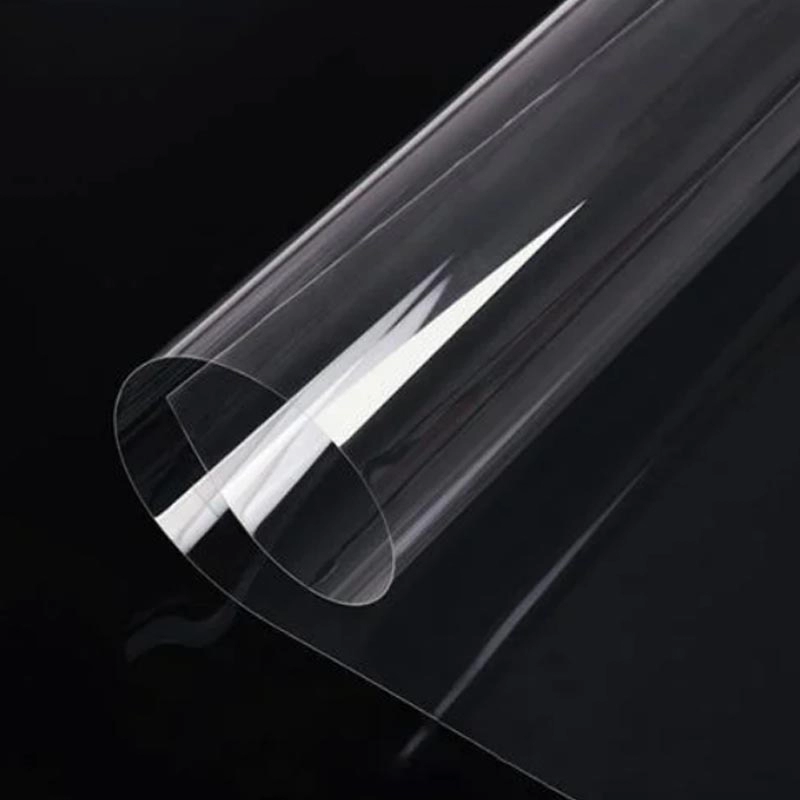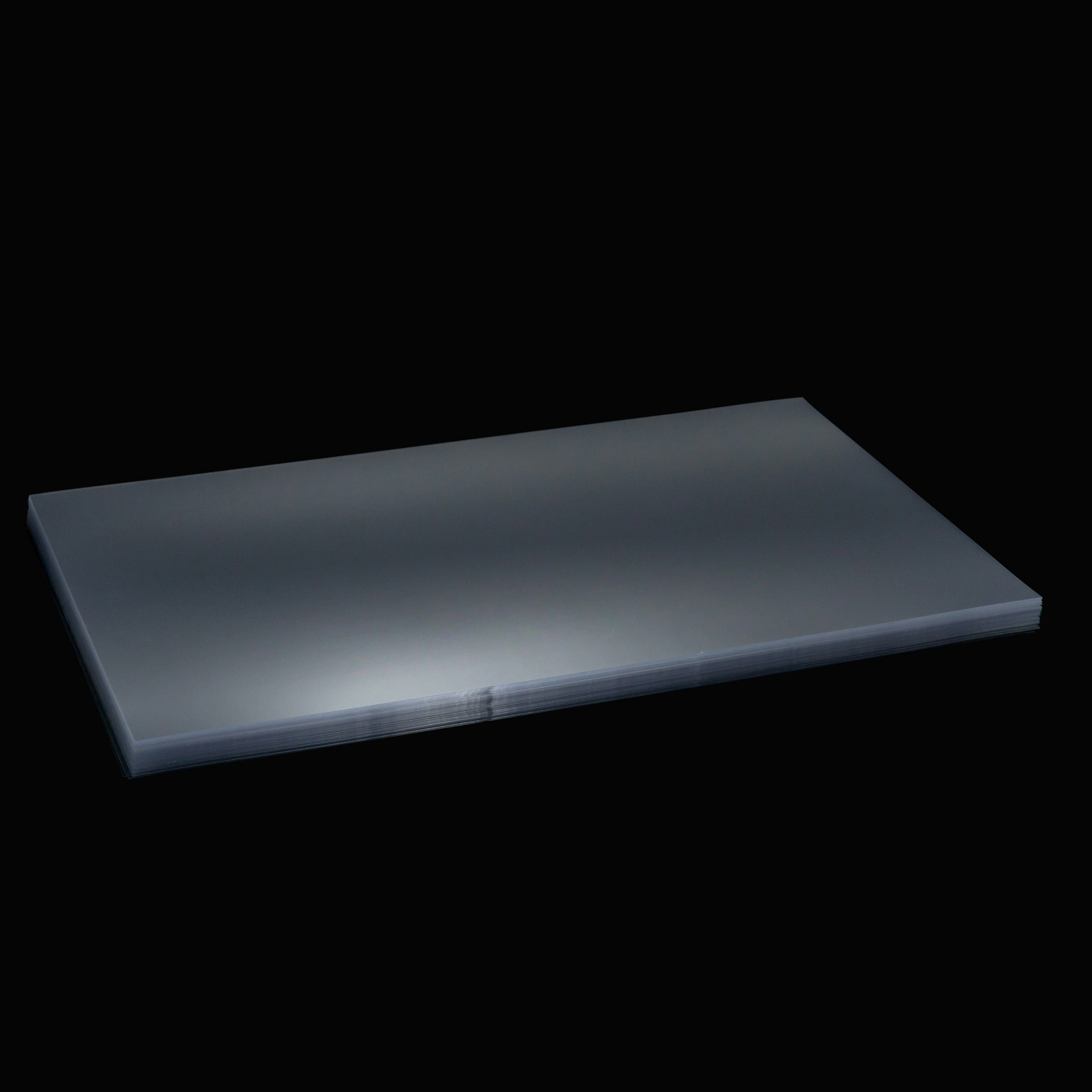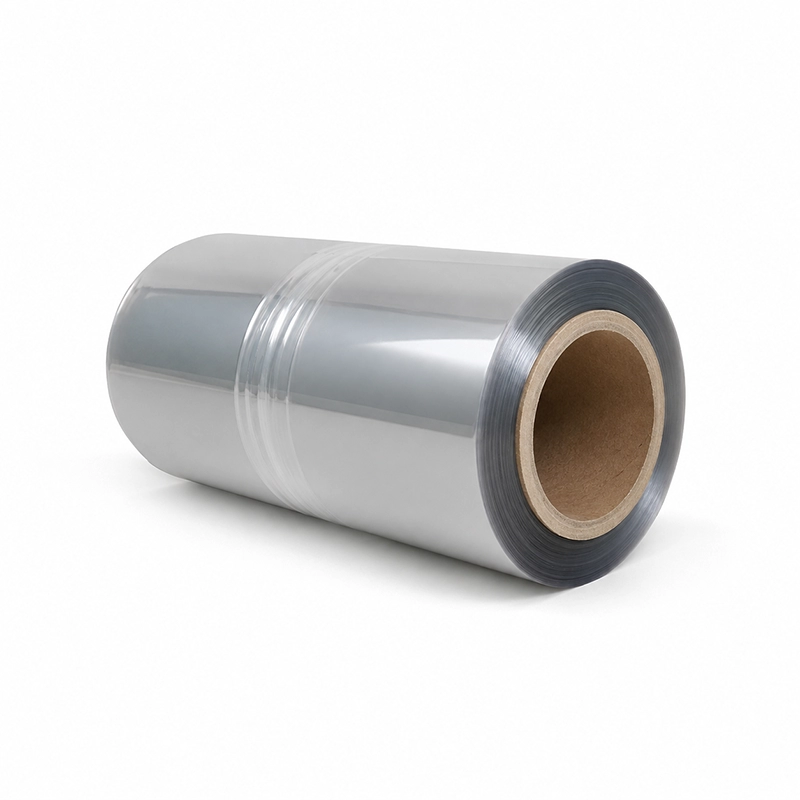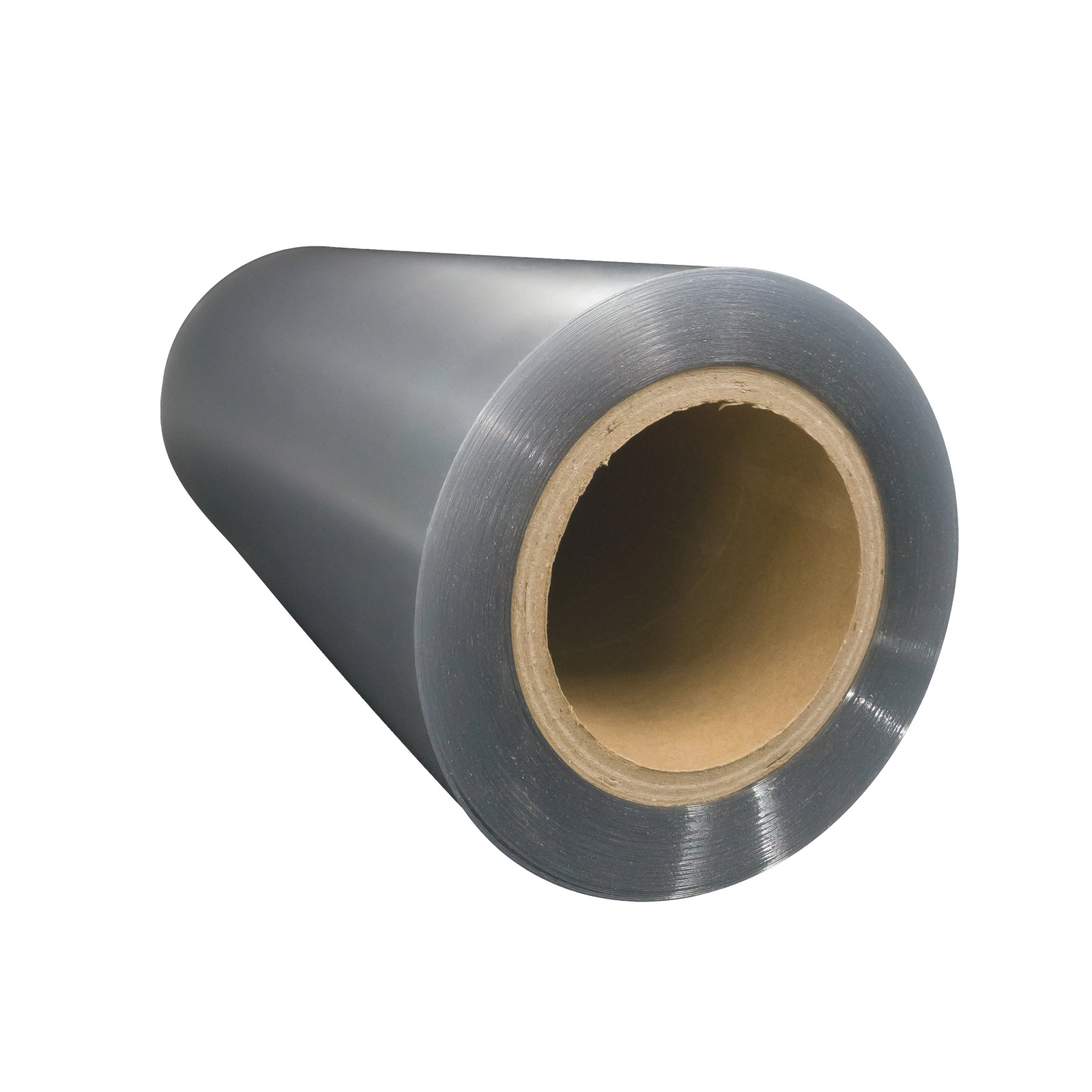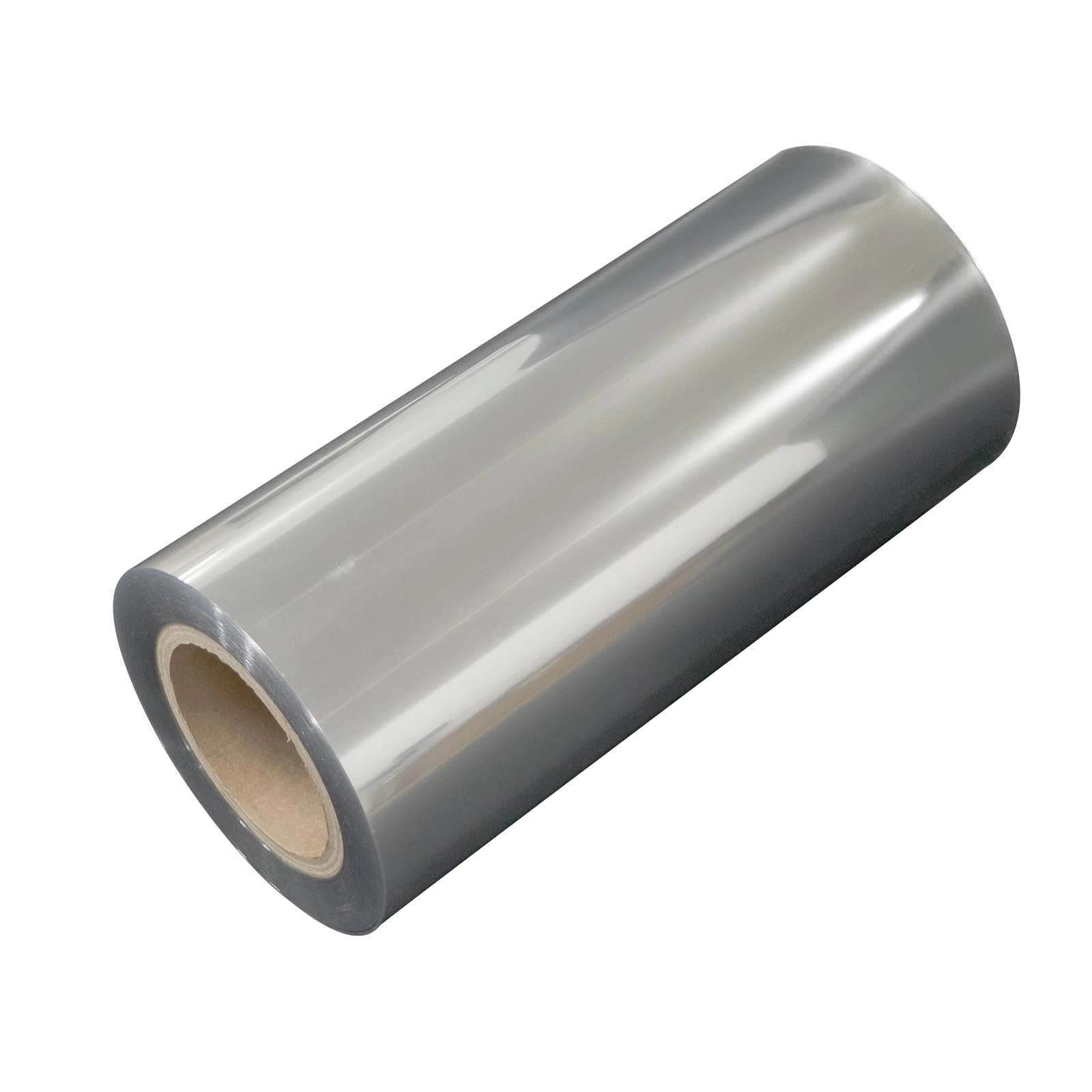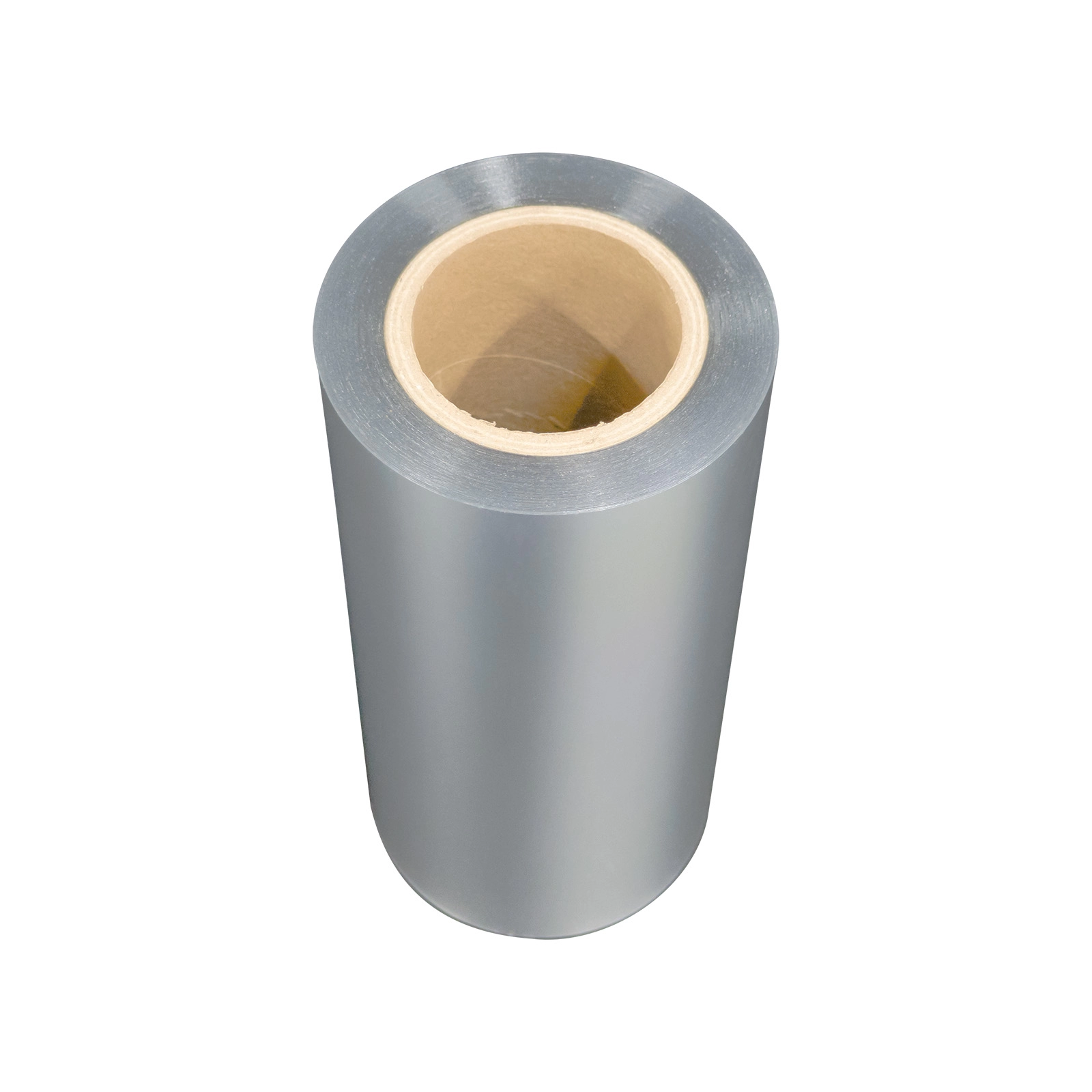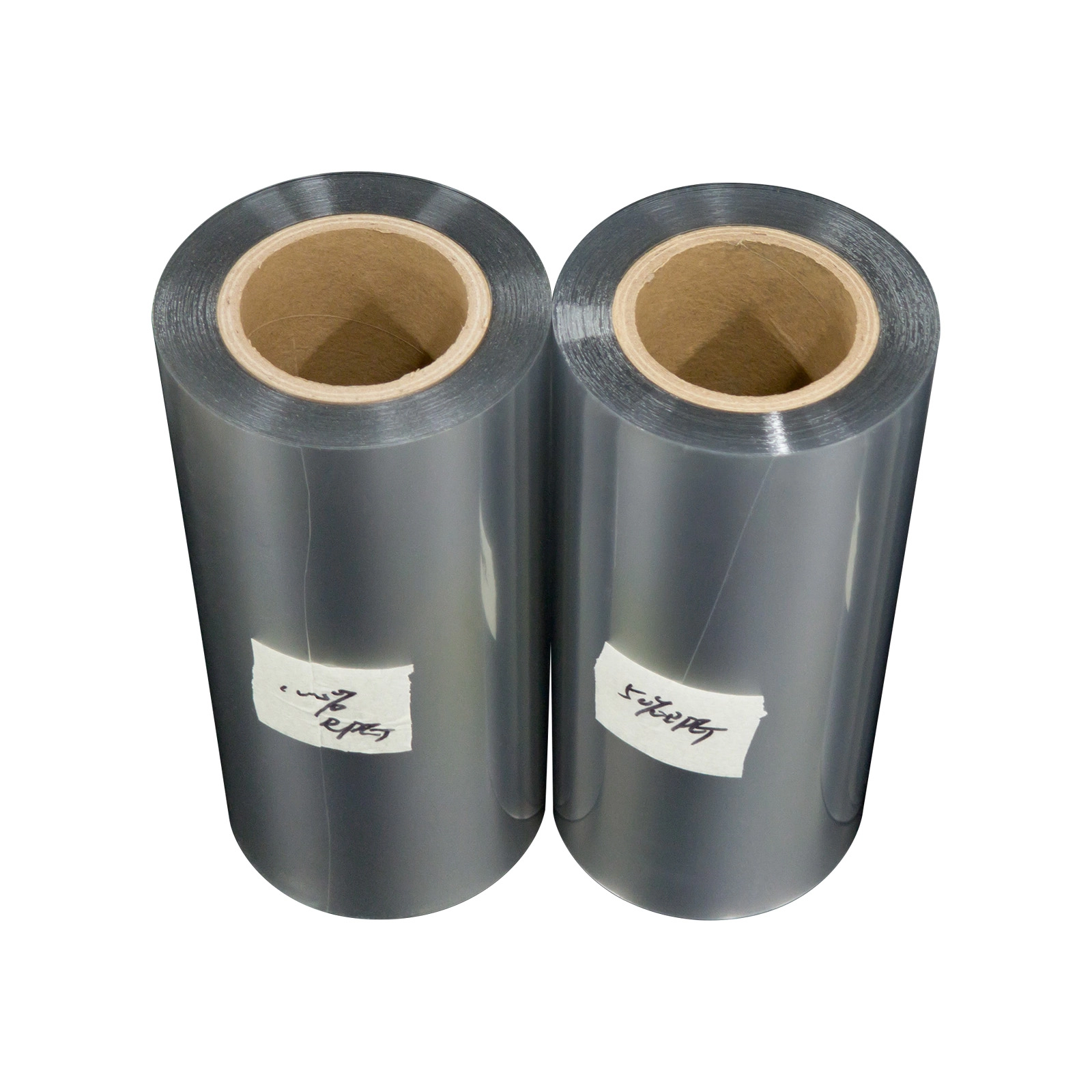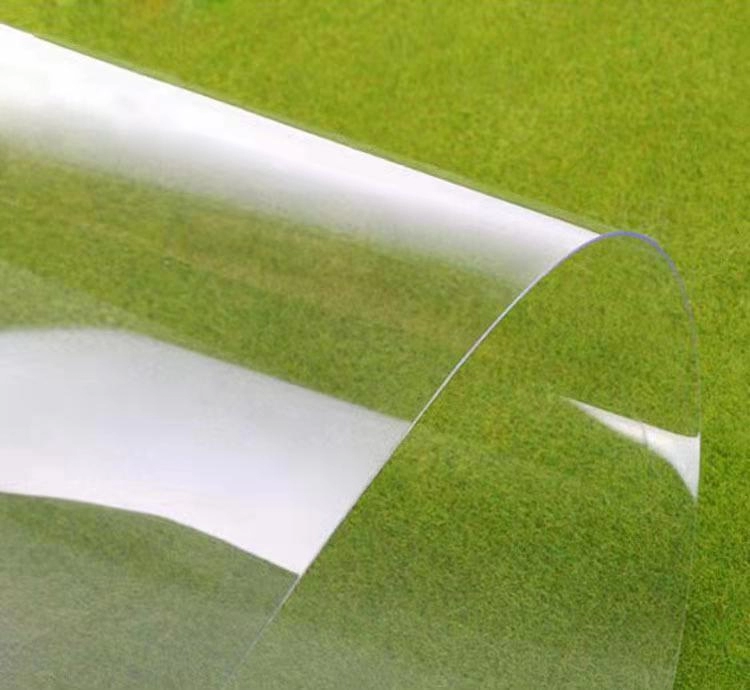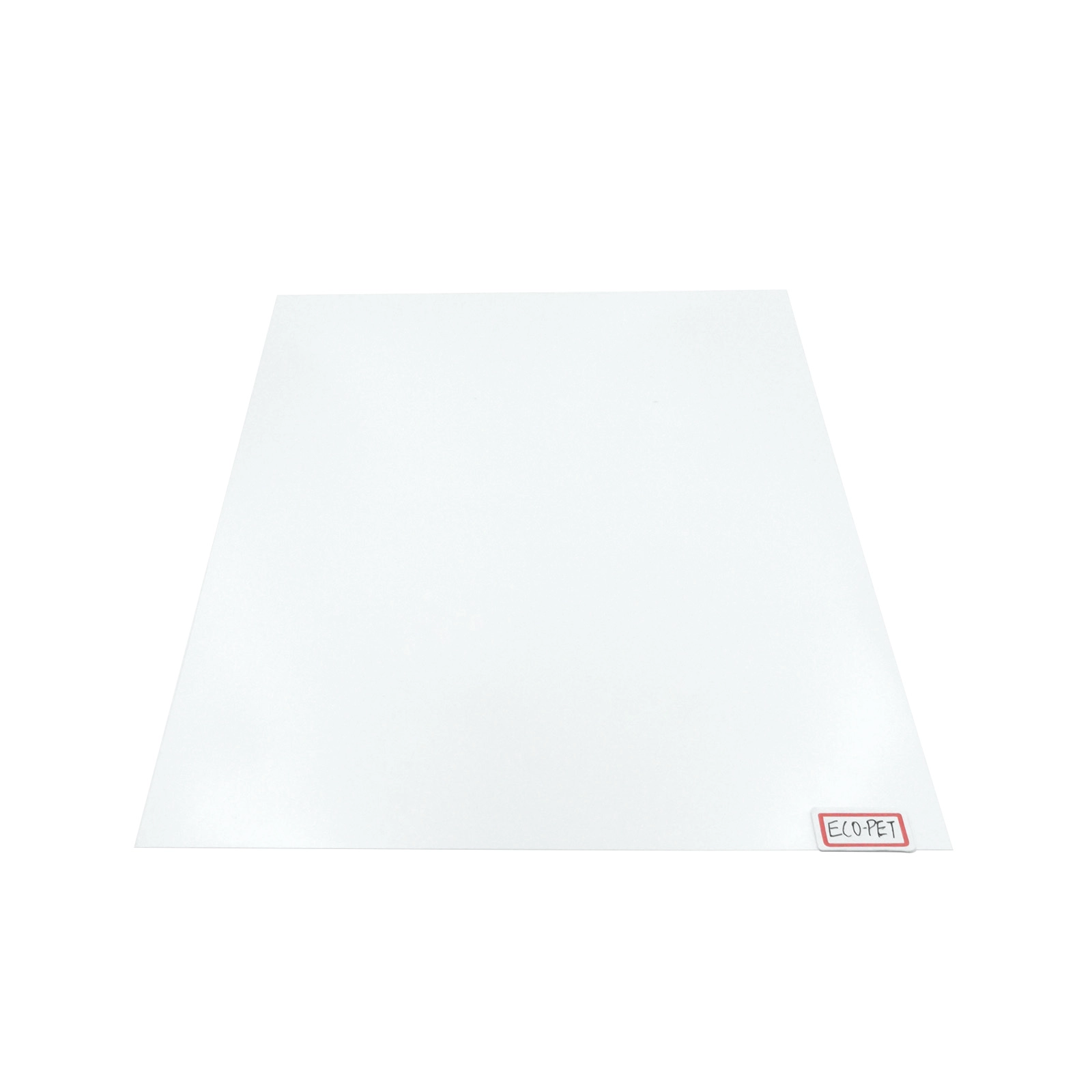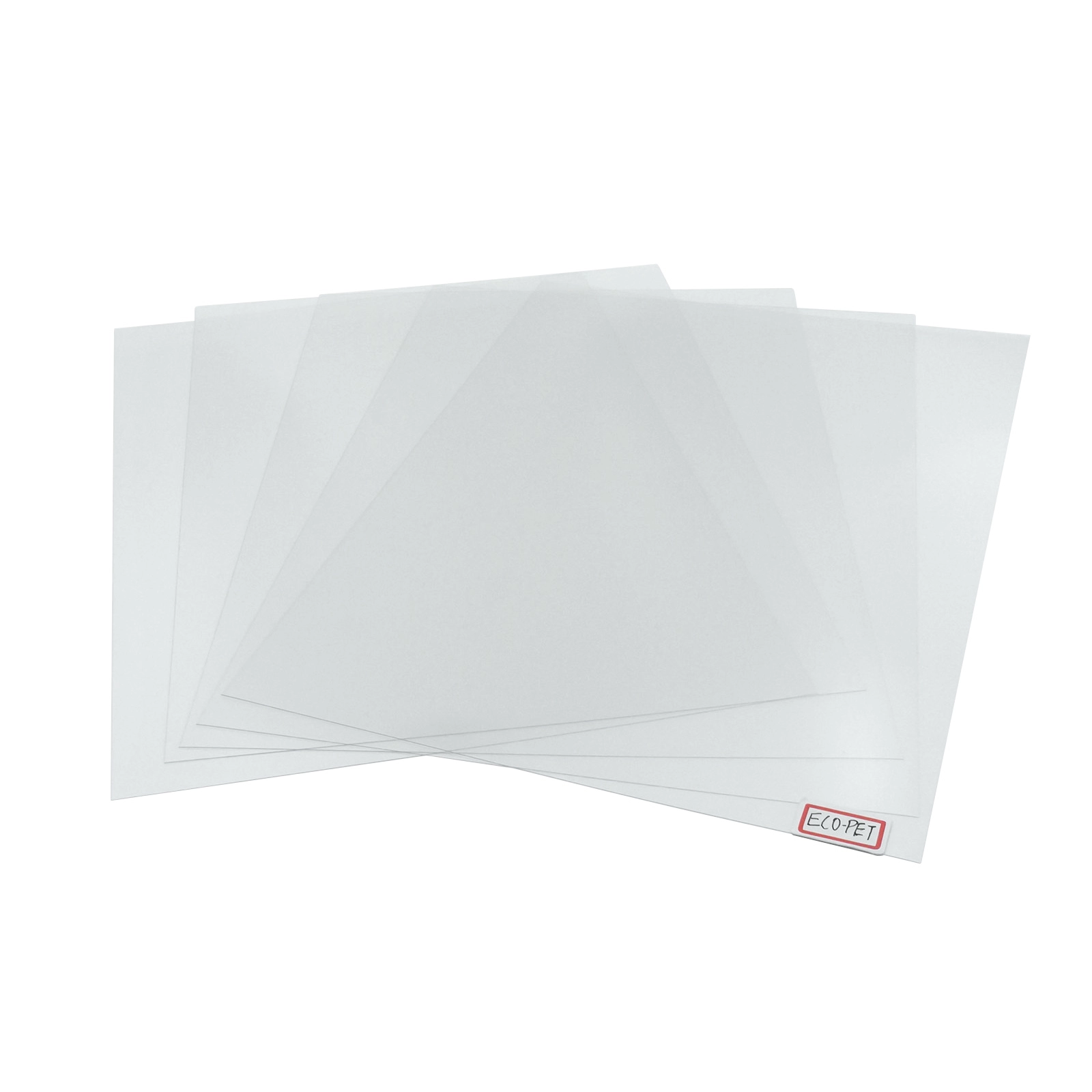
Three suppliers quote three different prices for what looks like the same clear sheet, and the gap is wider than freight or order size can explain. The difference is almost always the grade: virgin APET, recycled rPET and degradable ECOPET are three distinct materials with different raw-material chains, different certification positions and different process windows. Choosing between them on price alone is how packaging projects end up re-tooling after the first trial run.
This guide sets out what actually separates the three grades, which one fits which application, and the specification points that have to be settled before a supplier can quote. For sheet grades outside the PET family — polypropylene for stationery and lighting — see our PP and rPP material range.
What separates APET, rPET and ECOPET
All three are polyethylene terephthalate sheet, and all three run on the same thermoforming and printing equipment. What changes is where the polymer comes from and what that does to the material's behaviour and paperwork.
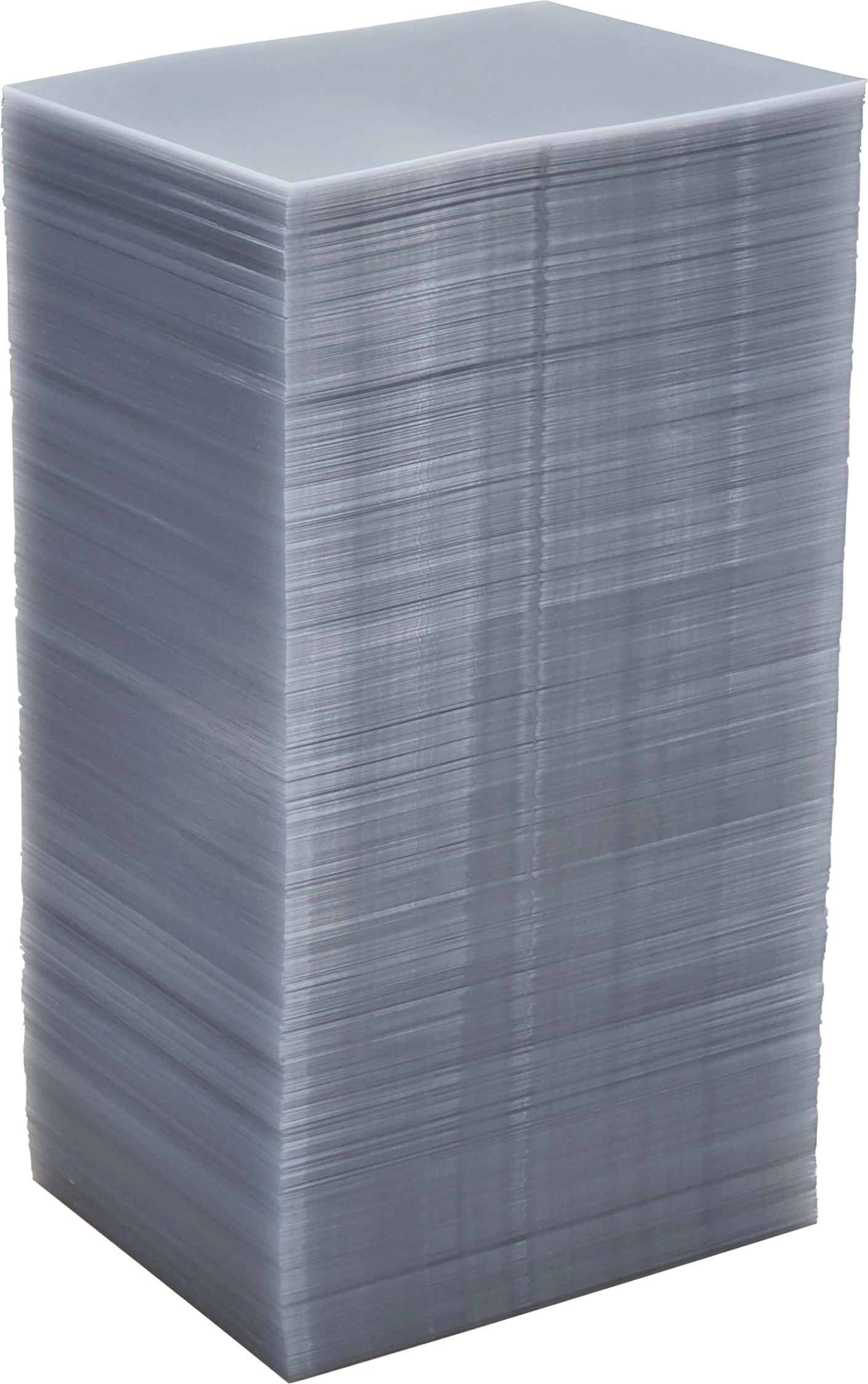
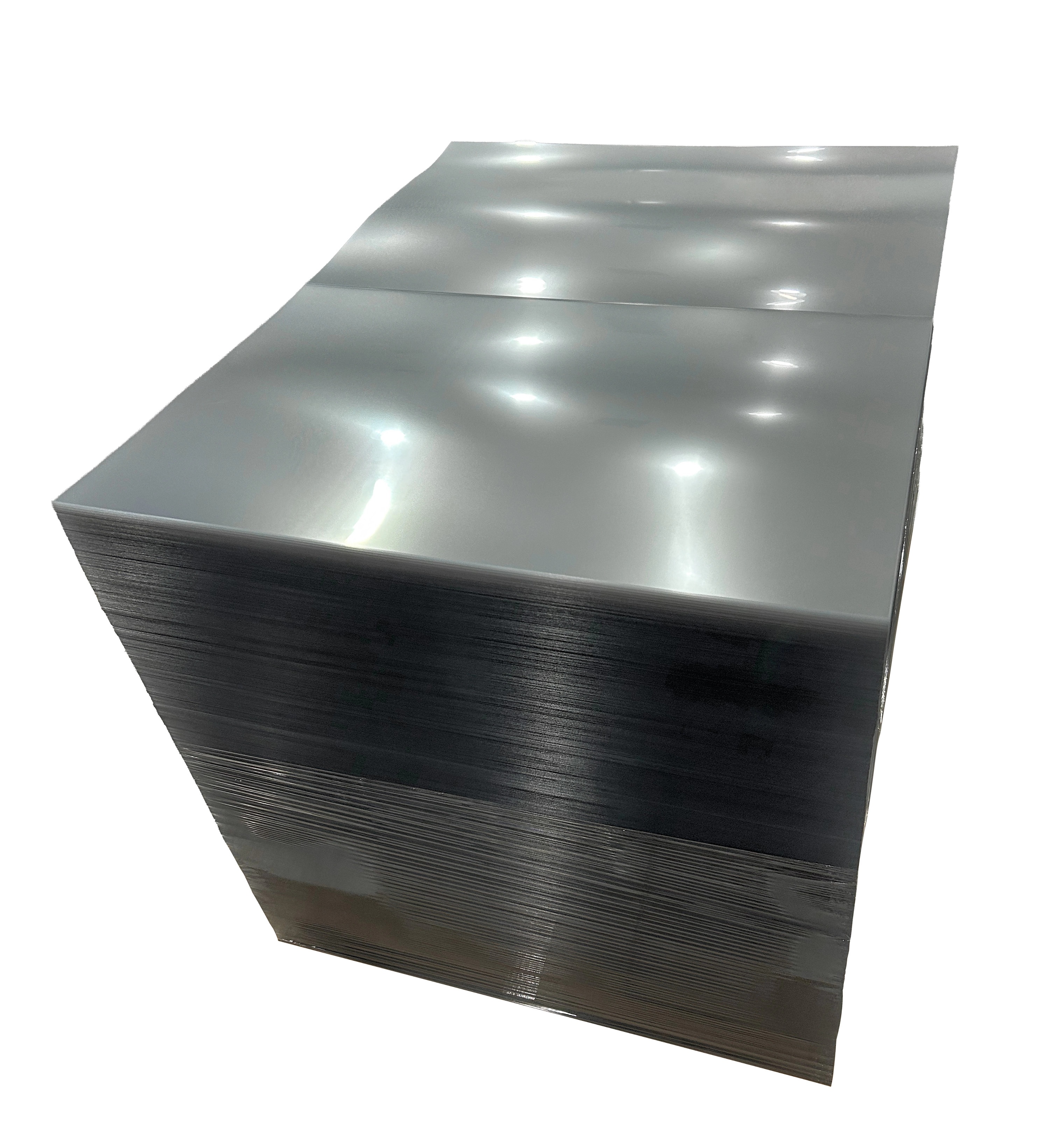
APET is 100% virgin material, also called virgin PET. It is the baseline: highest and most consistent transparency, the most predictable forming behaviour, and no recycled-content claims to defend. Thickness runs from 0.15 mm to 2 mm, transparency reaches above 90%, and it is the grade most often specified when optical clarity is the whole point of the pack.
rPET is post-consumer recycled PET, produced by collecting, breaking down, cleaning, sorting, pelletising and re-extruding used PET. It carries the same mechanical and barrier profile as virgin PET with a materially lower carbon footprint, and it is the grade that makes a recycled-content claim possible. GRS certification and transaction certificates can be supplied.
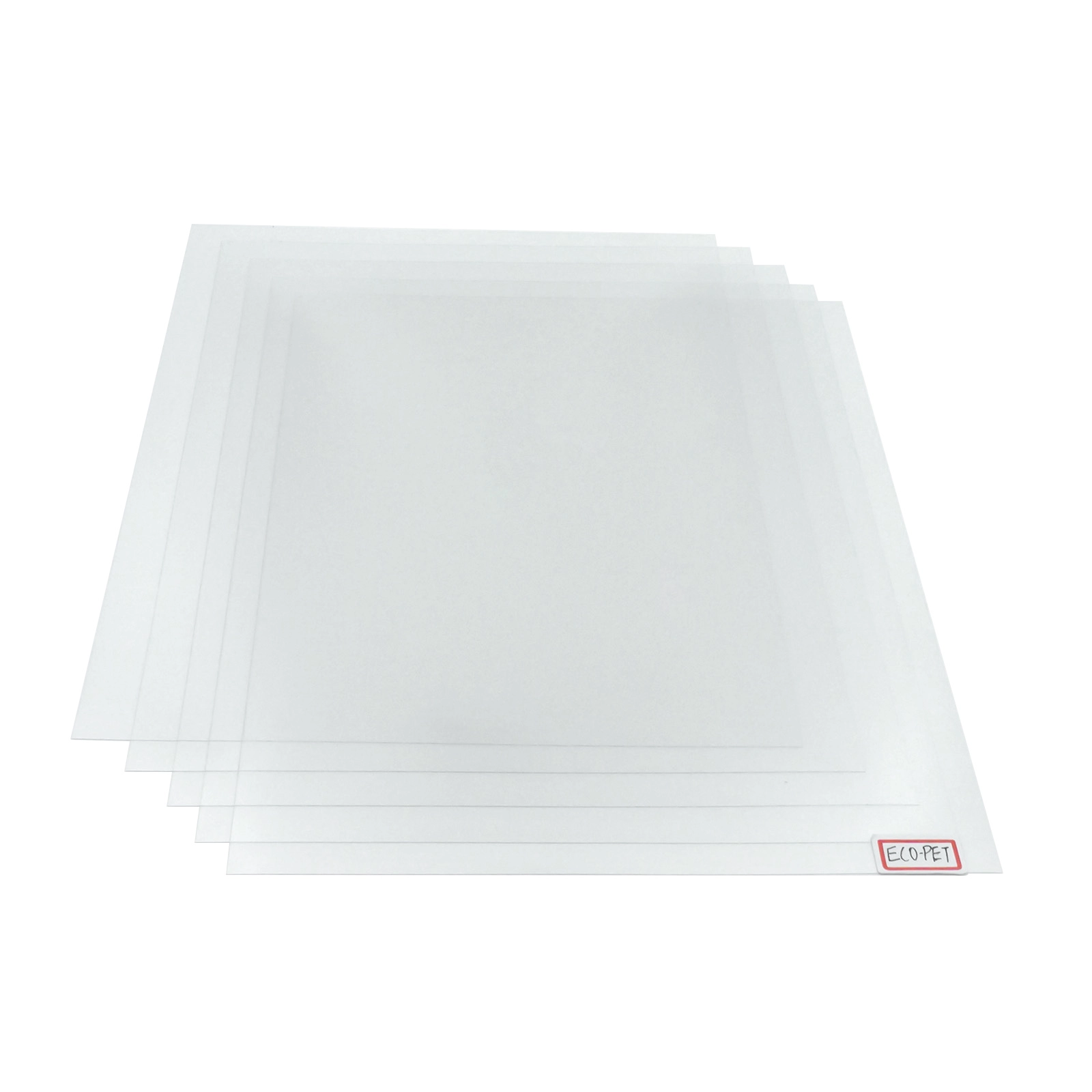
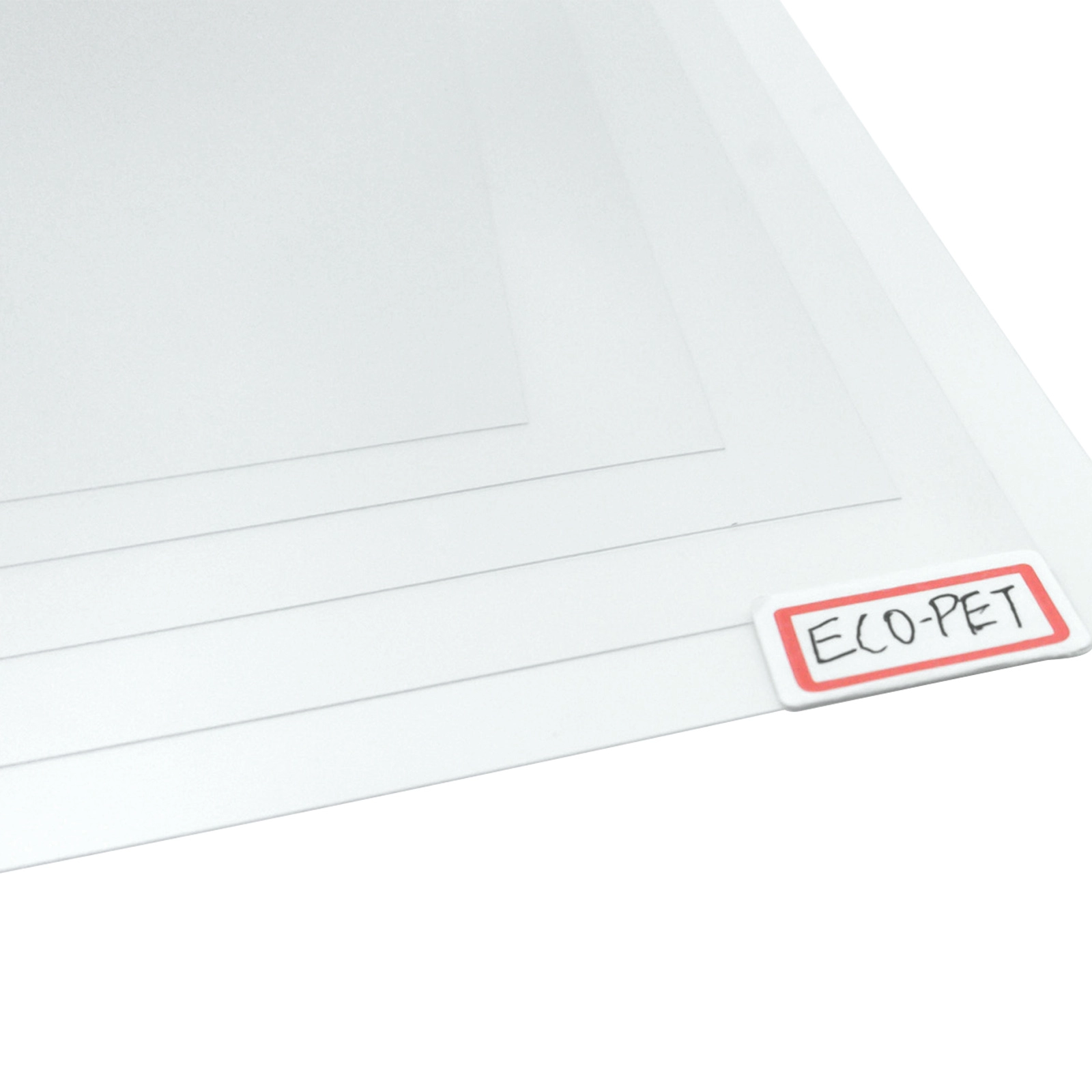
ECOPET is an anaerobically degradable PET. It keeps the clarity, toughness and processing behaviour of ordinary PET while degrading faster than conventional PET under natural anaerobic conditions — a different proposition from recycling, and one that suits brands whose sustainability story is about end-of-life rather than recycled content.
Comparing the three grades
| Attribute | APET (virgin) | rPET (recycled) | ECOPET (degradable) |
|---|---|---|---|
| Raw material | 100% new PET | Post-consumer recycled PET | Anaerobic degradable PET |
| Thickness range | 0.15 – 2 mm | 0.15 – 2 mm | 0.15 – 2 mm |
| Transparency | 90%+ | 90%+ (clear grade) | 90%+ |
| Certification | SGS / RoHS / REACH | GRS + TC certificates | SGS / RoHS / REACH |
| Recycled content claim | No | Yes | No |
| Best fit | Premium clarity, display windows | Brands with recycled-content targets | Brands with end-of-life targets |
When the application decides the grade
Grade choice usually follows from the application rather than from a general preference for "greener" material. One constraint cuts across all of them: grade selection also decides what the sheet can be printed with, and the surface-energy requirement for that is covered in dyne value and corona treatment for printable sheet.
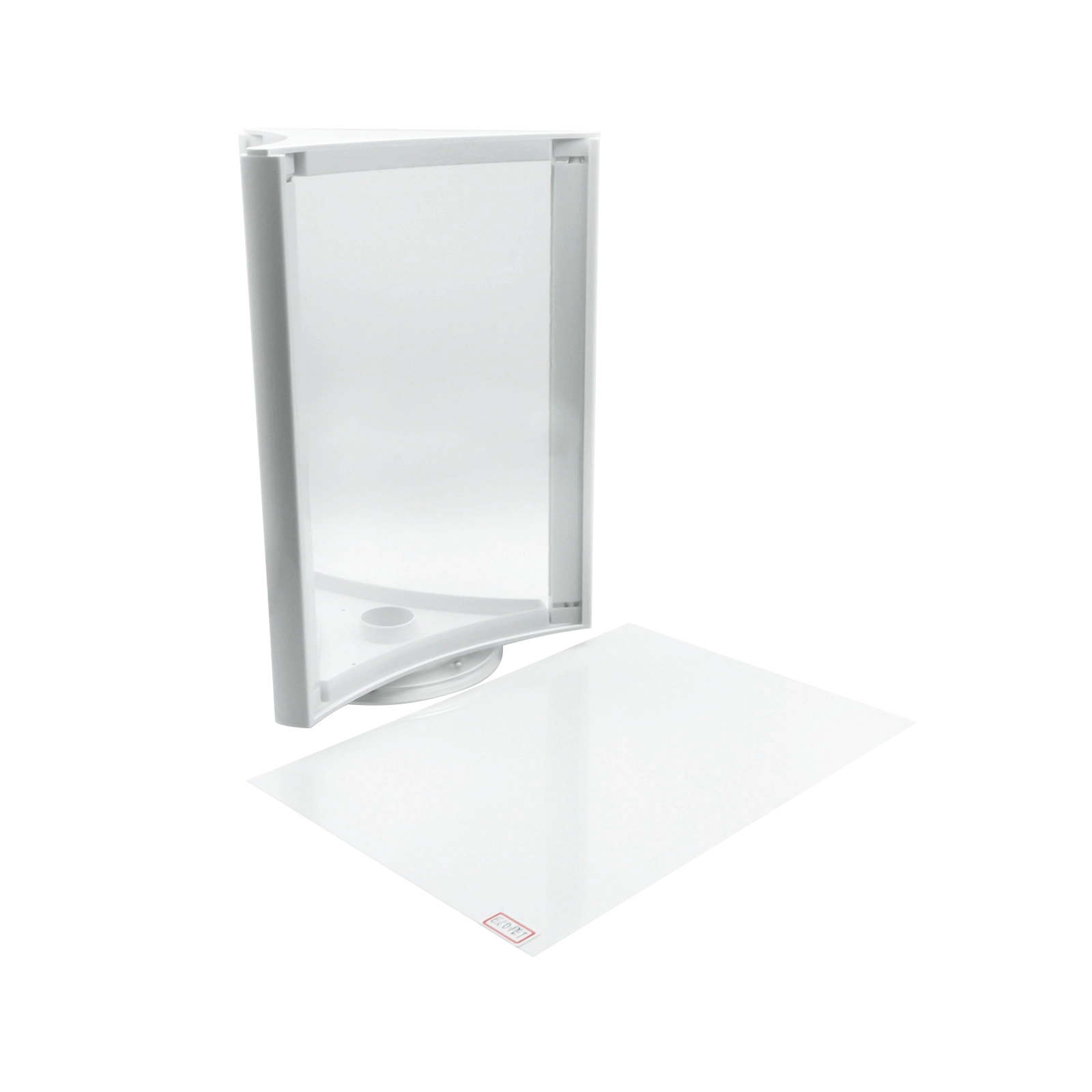
- High-end gift box windows and display packaging — transparency is the product, so APET or clear rPET. Holographic and special-effect finishes are available in both.
- Brands with published recycled-content commitments — rPET, because the claim needs certificates behind it. Coloured and opaque rPET grades are available where full transparency is not required.
- Brands whose messaging centres on degradation — ECOPET, which keeps the clarity and toughness of PET.
- Food trays and containers going into an oven — neither plain APET nor rPET. This is CPET territory; see the forming discussion in the PET and PP thermoforming window.
- Stationery, lighting and electronic packaging — polypropylene, not PET. PP brings heat resistance and chemical resistance that PET does not match.
Specification points to settle before quoting
A grade name on its own does not let a supplier quote accurately. Four numbers and two choices do:
- Thickness within the grade's range — a 0.3 mm sheet and a 1.5 mm sheet in the same grade are different products with different tooling implications.
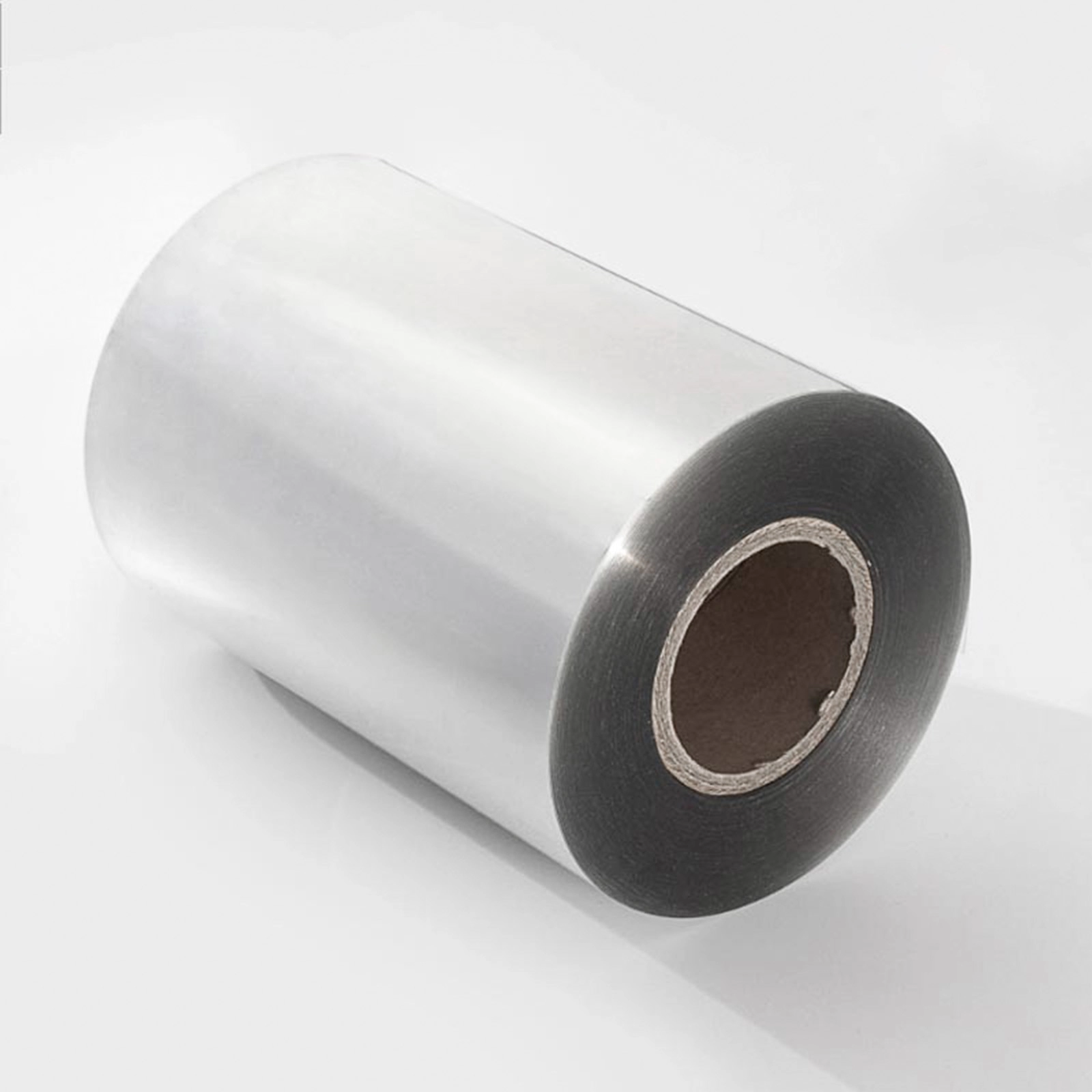
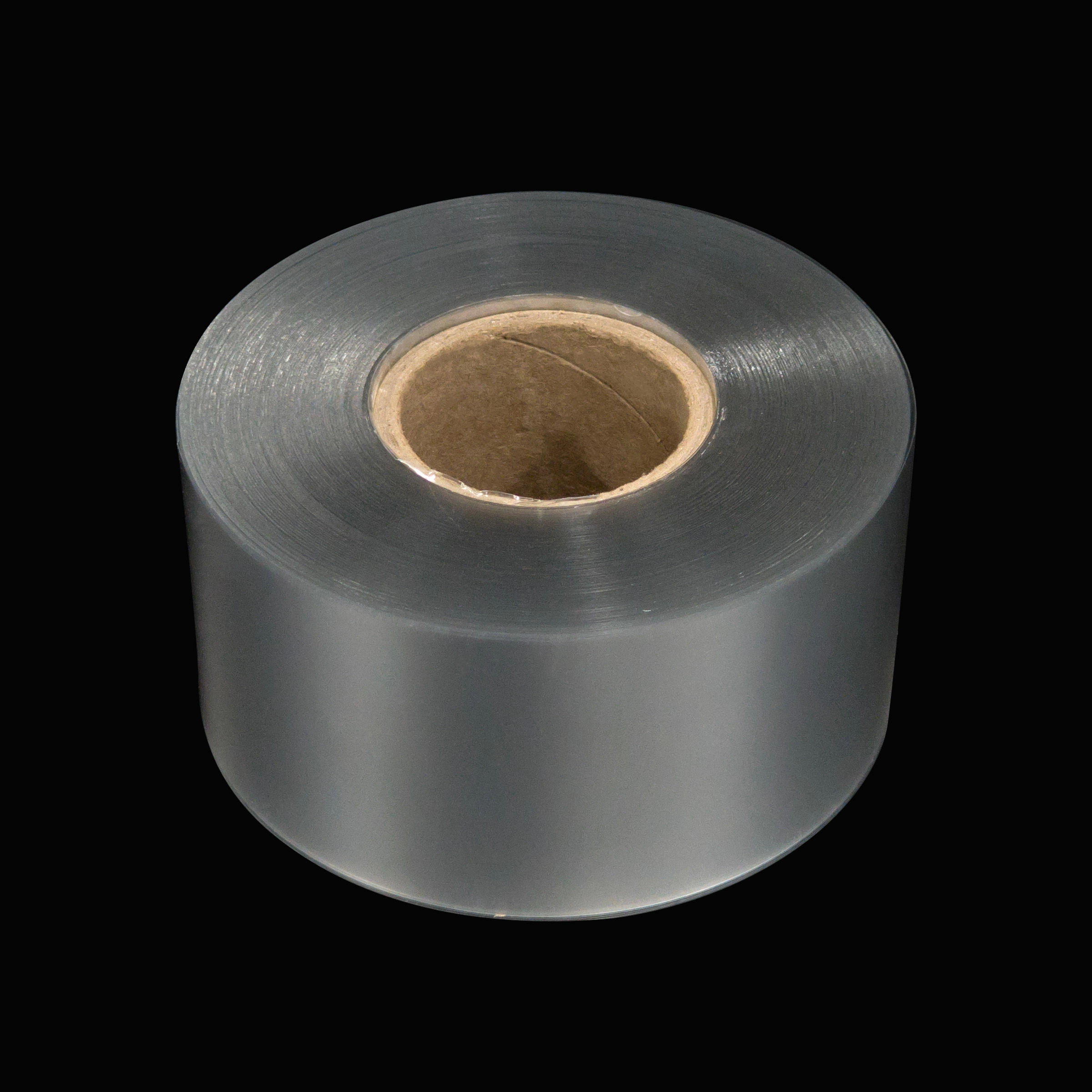
- Width and length — sheet and roll formats have different ranges, and rollstock is quoted by running length.
- Transparency — clear, semi-transparent or opaque. Coloured rPET is typically offered opaque.
- Surface process — cast, mirror, matte or diagonal texture, each of which changes the visual result and the print outcome.
- Coating — none, single-sided or double-sided, if the sheet is being used for printing rather than forming.
- Certification — state up front whether GRS, RoHS, REACH or food-contact documentation is required, because it determines what can be shipped and how the order is documented.
Printability and food contact
If the sheet is printed rather than left clear, a dyne value of 39 or above is the working threshold for offset printing, and dual corona treatment is the standard way to get there. Surface coating is specified separately from surface process, and the two are easy to confuse on a specification sheet.
For food-contact applications, both APET and rPET are used, and the compliance documentation travels with the material: FDA reports, EU REACH SVHC reports, RoHS and, in some markets, TPCH packaging legislation statements. Recycled grades need the GRS chain-of-custody paperwork to support the content claim.
Getting a comparable quote
Three suppliers will only be comparable if they are quoting the same grade, the same thickness, the same dimensions, the same transparency, the same surface process and the same certification set. Send those six items together and the price difference that remains is a real difference.
Our sheet range covers APET, rPET, ECOPET, PP and rPP from 0.15 mm upward, with GRS, OBP, TÜV, FDA, RoHS and REACH documentation available. Send us your application and the six specification points above and we will come back with the grade that fits — see our raw materials range or write to us for samples.
For the commercial side of the decision — how to structure a first order and what to compare between quotes — see the buying guide collection. Custom thickness, colour, surface and certification packages are covered under customization and OEM/ODM, and the questions buyers ask most often are answered in our FAQ.